Water Damage Restoration in San Tan Valley, AZ
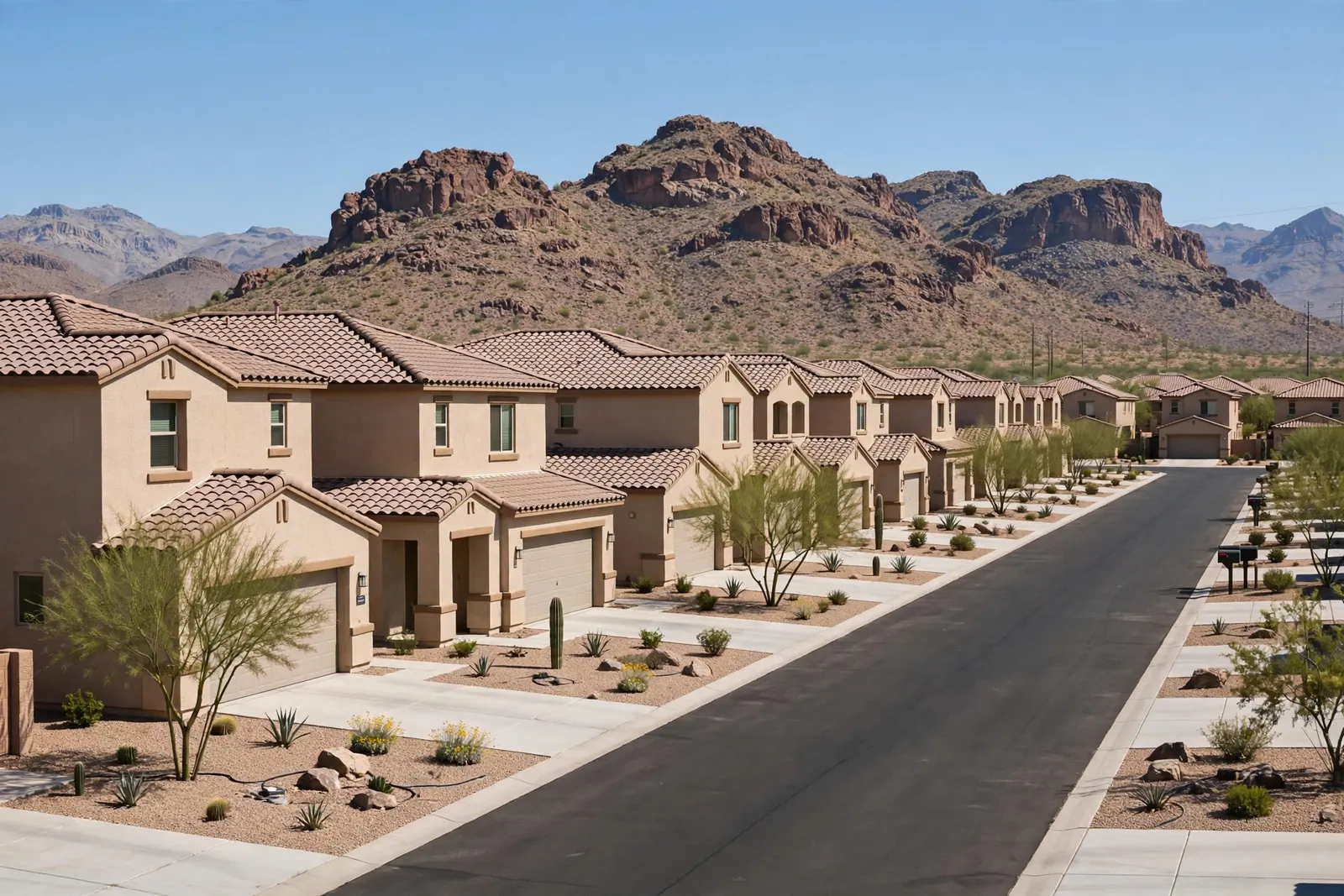
Water damage restoration in San Tan Valley, AZ is a service question with an honest answer about geography. San Tan Valley is one community south of our Queen Creek home ground, close enough that our crews work it regularly, far enough that we will talk to you straight about scheduling instead of pretending we are on your street. The homes here, in Pecan Creek, Johnson Ranch, Skyline Ranch, San Tan Heights and the neighborhoods spreading toward the San Tan Mountains, are mostly new master-planned construction, and their water problems are the new-build set: slab leaks, supply line failures, water softener and reverse-osmosis lines in garages, and monsoon runoff that tests every young subdivision's drainage at once. San Tan Dry Co. restores homes here with the same metered, documented process we run across the East Valley.
What we see in San Tan Valley homes
Slab and supply line failures in young homes. New is not the same as immune. Fittings fail early in a small percentage of any builder's stock, and in a community where most homes were built within the same fifteen years, the early failures cluster. A supply line letting go in a two-year-old Pecan Creek home looks exactly like one in a twenty-year-old home: the water does not check the build date.
Water treatment equipment. San Tan Valley's hard water means a high share of homes run softeners and RO systems, often plumbed in garages and laundry rooms with lines that age quietly. A softener drain line or an RO fitting weeping for a month into a garage wall is one of this community's signature losses: small, hidden, and discovered by the smell or the baseboard, not by the water.
Monsoon runoff. The San Tan Mountains shed water fast, and the washes and retention systems through Johnson Ranch and Skyline Ranch carry it. Homes at low points in young subdivisions learn where their lot sits in the drainage pattern during their first big July storm. Door seals, garage seals and stem-wall grading are the difference between a wet driveway and a wet living room.
Built all at once, aging all at once
San Tan Valley's subdivisions went up in waves, street after street of similar plans by the same builders in the same few years. That has a consequence homeowners feel a decade later: components age in formation. The angle stops, supply lines, water heater anodes and condensate drains in a Johnson Ranch street are all roughly the same age, so when the first house on the street has a fitting failure, it is genuinely useful information for the rest of the street rather than trivia. We see the same clustering in Pecan Creek and Skyline Ranch. It is also why we talk about the unglamorous checks so often here: heater age, hose condition, softener lines. In a community built all at once, the cheapest restoration is the neighbor's warning heeded early.
The honest scope of our San Tan Valley service
We are a Queen Creek crew, and San Tan Valley is the southern edge of our footprint. What that means in practice: we take water damage restoration work here gladly, we run the same assessment, extraction, drying and mold remediation process as everywhere else, and we schedule San Tan Valley jobs on routes that let us keep the daily drying checks the work requires. Drying that is not re-metered on schedule is not drying, it is hoping, and we will not sell hoping at a distance we cannot service. If your situation needs a crew based closer than we are, we will say that on the first call. What we will not do is take the job and service it thin. If you are deciding between companies, our homepage carries the checklist we would judge any of us by, and our service areas page shows how San Tan Valley fits the full footprint alongside Gilbert and Mesa.
How a San Tan Valley job runs
It starts with a call to (480) 555-0100 and a description of what is wet and since when. Active water gets the shutoff guidance first and the earliest extraction window we can honestly give. The assessment meters the moisture map and produces the written scope. Drying runs with scheduled re-checks, and sewage events, which do happen here at the community's septic edges and in its sewer lines alike, run under the stricter sanitation protocol on our sewage cleanup page. You get the same record at the end as every other client: photos, readings, scope and the repair list.
Frequently Asked Questions
Do you really serve San Tan Valley, or is this page just a pin on a map?
We serve it, on the honest terms described above: same crew, same process, scheduling that respects the distance and the daily checks drying requires. The page exists because we do the work here; where a job needs a closer-based crew, we say so rather than take it.
My home is new and still under builder warranty. Should I call the builder or you?
Both, in the right order. Stop the water and get the structure drying first, because warranty processes do not run on the mold clock. Document everything, which our process does as a matter of course. The builder conversation goes better, not worse, with a moisture record in hand.
What does an assessment cost me?
Call and we will explain exactly what the assessment includes and what it costs before anything is scheduled. You will get findings, readings and a written scope that are yours to keep and compare, either way.
Monsoon water came under my garage door. Is that a restoration job?
If it stayed on the garage slab and out of walls and interiors, it may be a cleanup and a seals conversation rather than a restoration. If it reached drywall, stored contents or the interior, it is a drying and sanitation question. Describe what got wet when you call, and you will get the honest version of which one you have.
Restoration Services in This Area
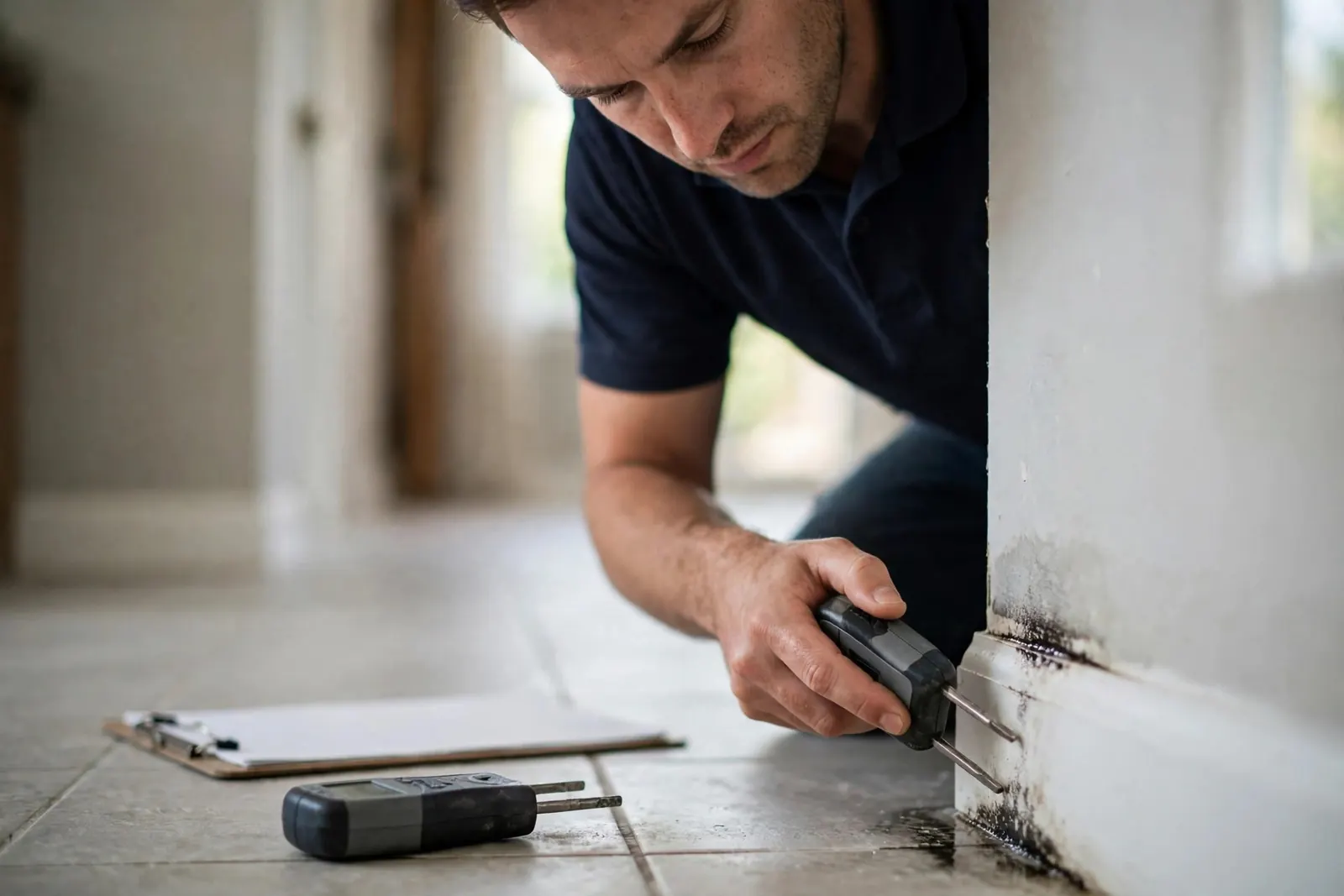 Mold RemediationContainment first, then removal and HEPA filtration, with the moisture source fixed so the growth has nothing to come back to.
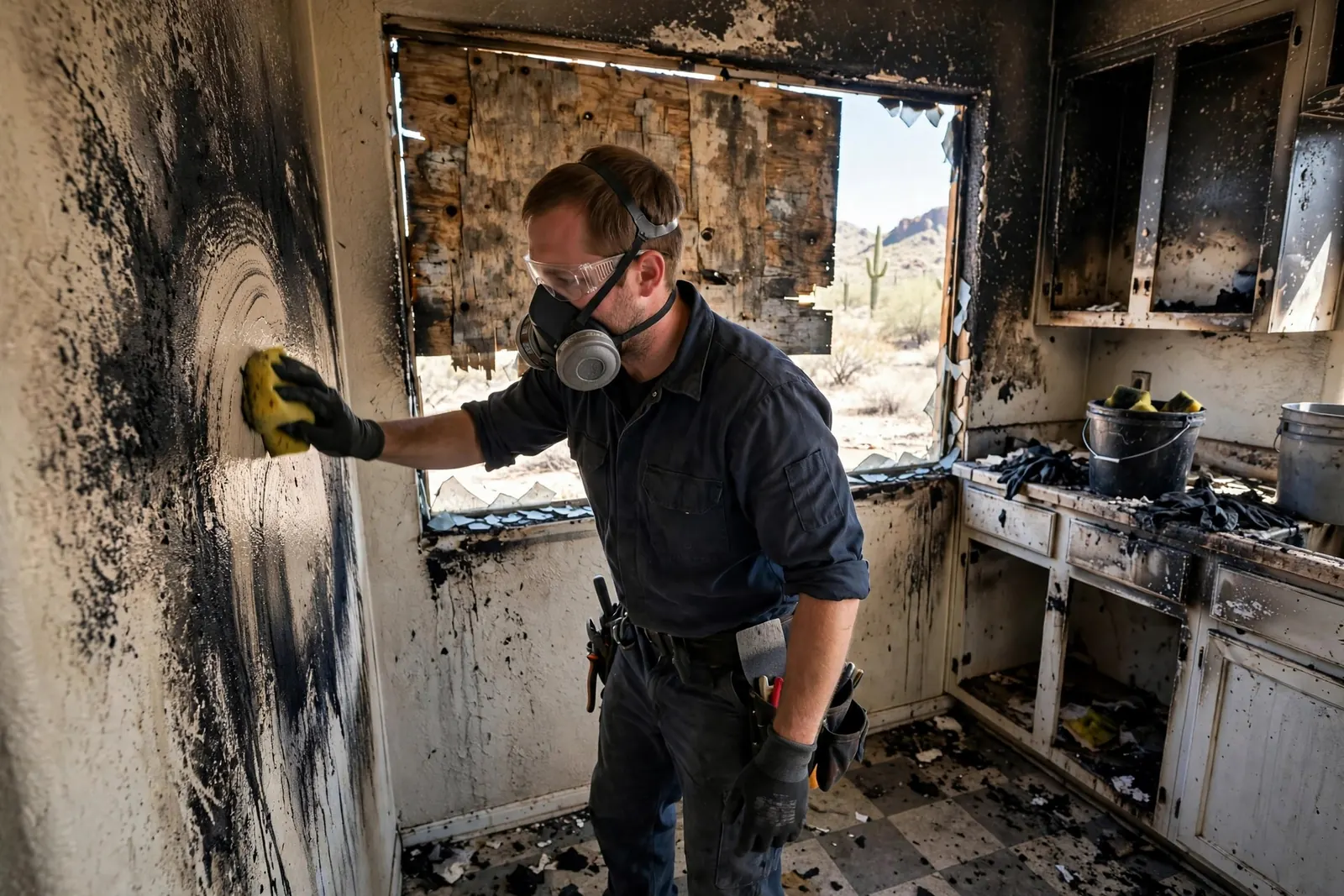 Fire Damage RestorationBoard-up, soot and smoke cleanup, odor work, and drying out the water the fire department left behind.
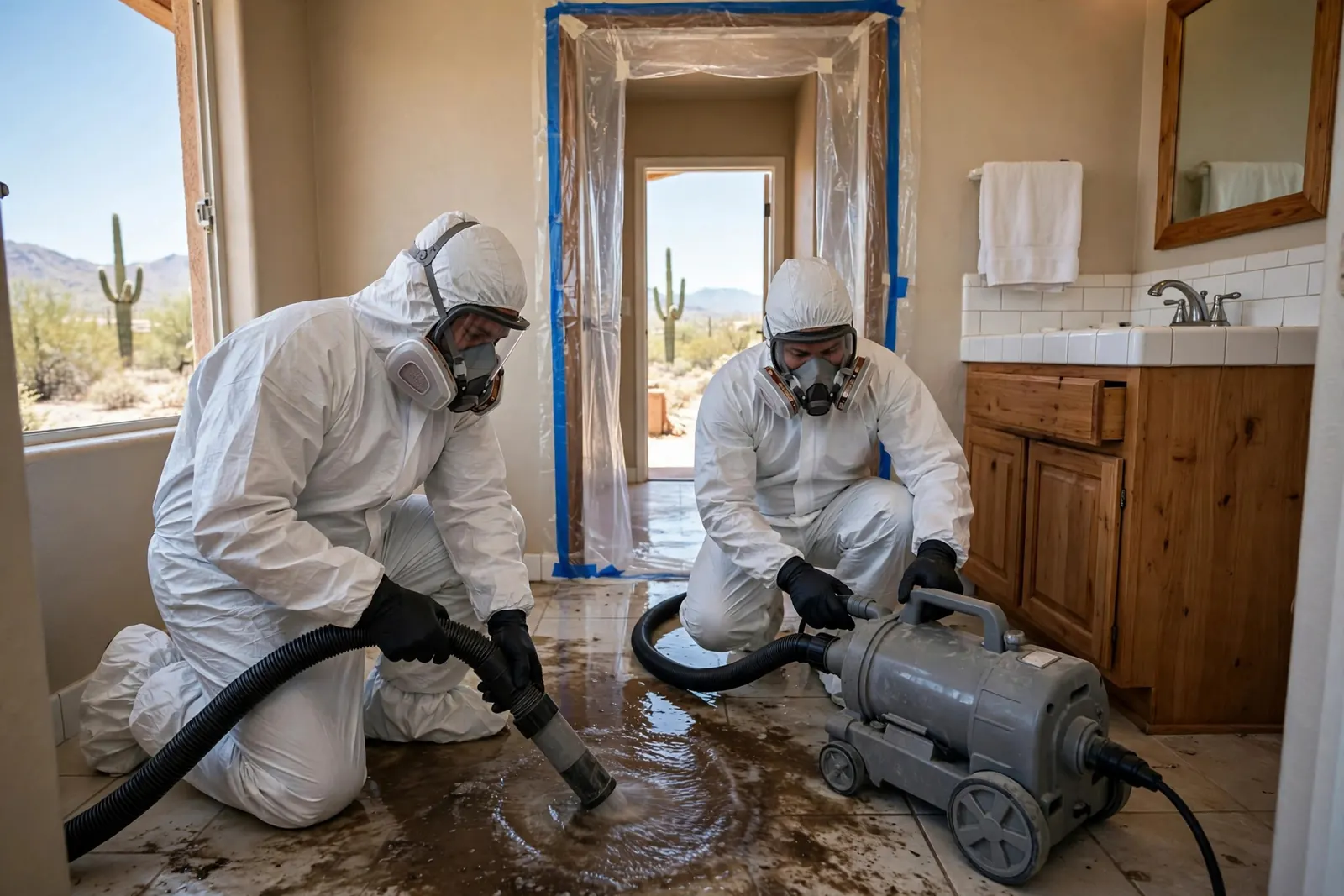 Sewage CleanupCategory 3 water handled as a health protocol: containment, removal of what cannot be sanitized, disinfection, verified drying.
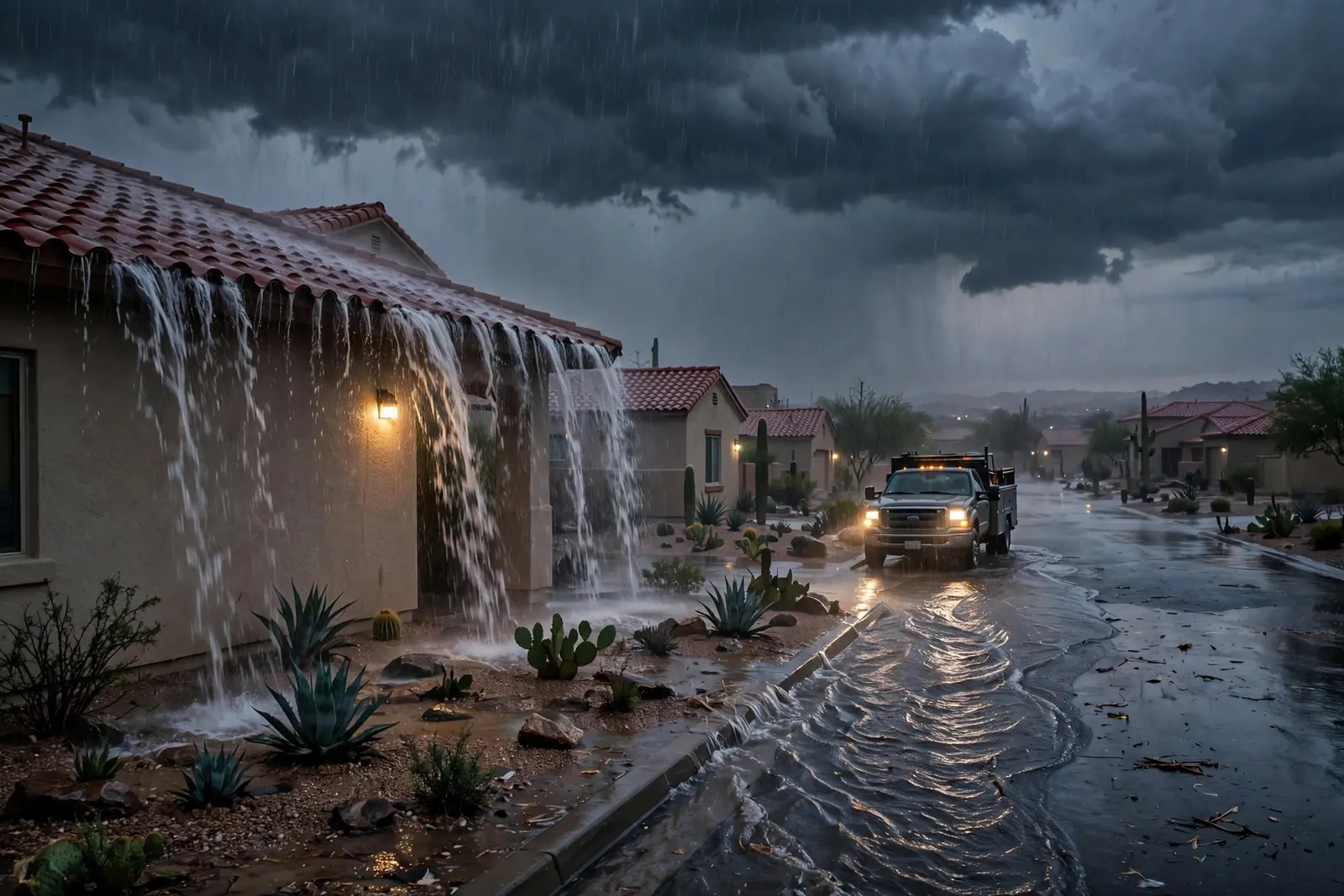 Storm Damage RestorationMonsoon roof leaks, wind-driven rain and flash flooding, plus the pre-season prep list that prevents most of it.
Request an Assessment in This Area
Tell us what happened and we will call you back to schedule the assessment. Prefer to talk? Call (480) 555-0100.
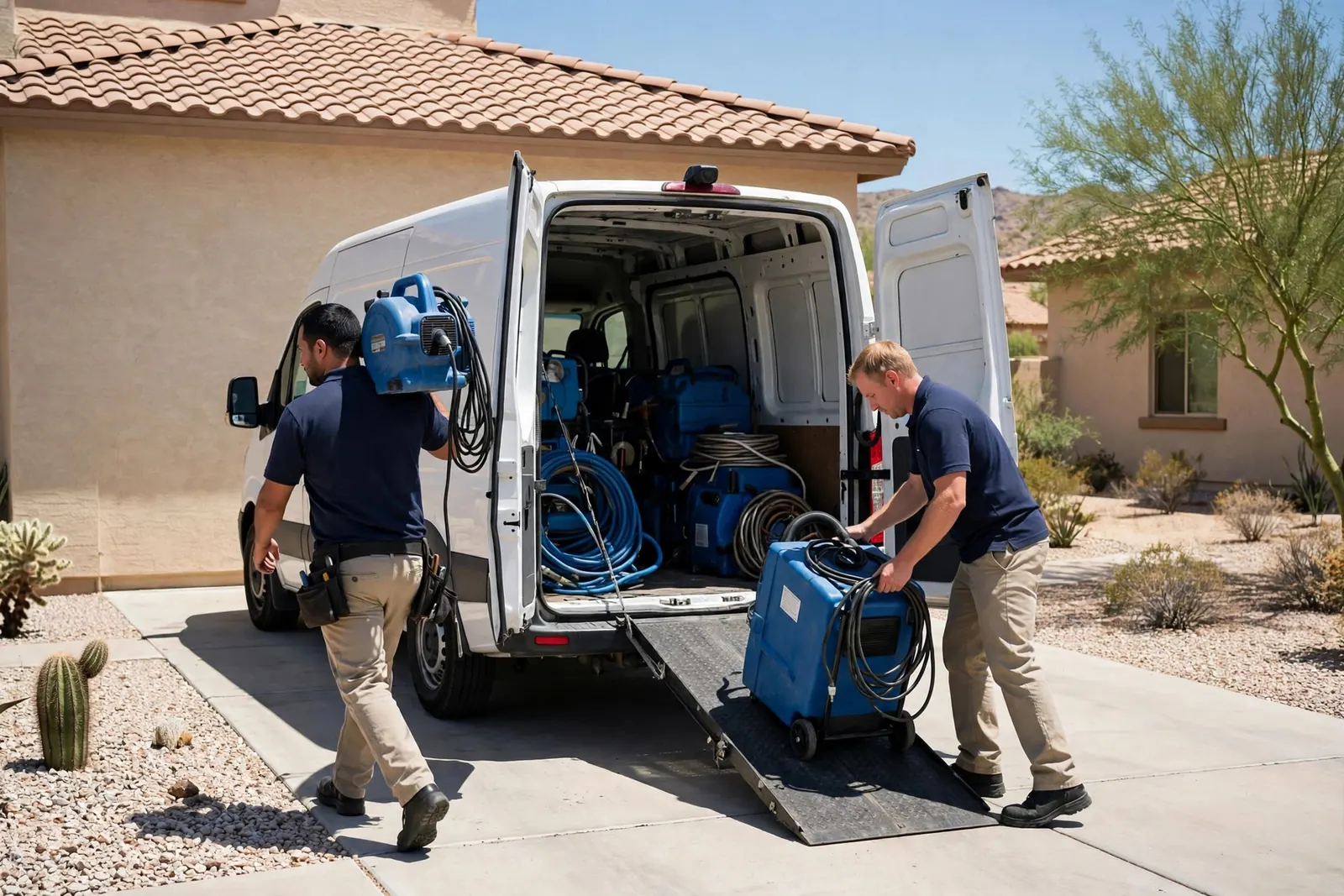
FIELD FORM · QC-01