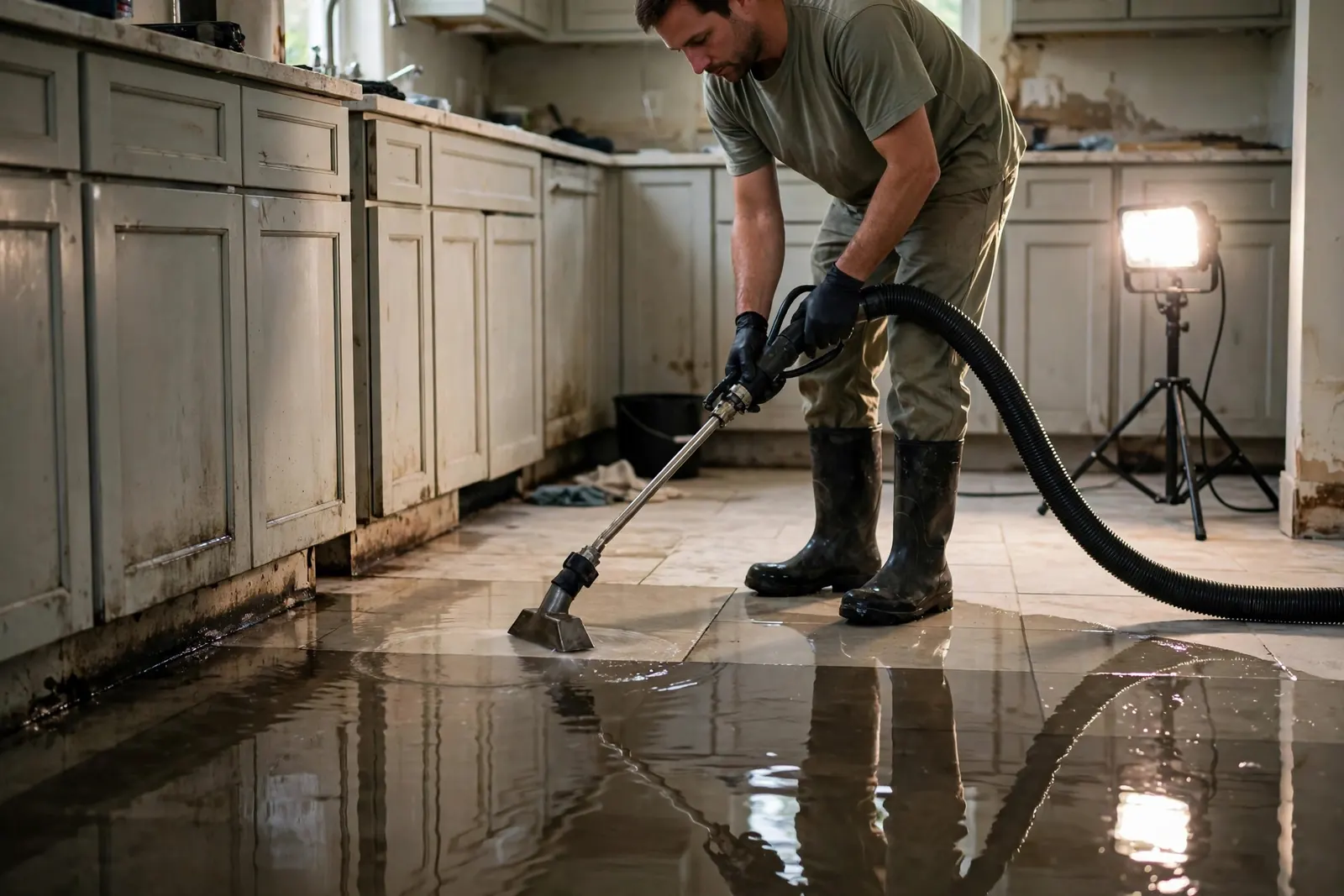
Water Damage Restoration in Queen Creek, AZ
FIELD FORM · QC-01
On the Truck, Every Roll-Out
The equipment that actually decides outcomes, and what each piece is for:
| Gear | What it does | Why it matters |
|---|---|---|
| Truck-mount extractor | Pulls standing water fast, before it spreads | Extraction removes far more water than towels and shop vacs |
| Pin + pinless moisture meters | Read moisture inside walls, floors and cabinets | We dry what we can measure, not what we can see |
| Thermal imaging camera | Shows wet areas as temperature differences | Finds the water you cannot see, without opening walls blind |
| Low-grain refrigerant dehumidifiers | Pull moisture from the air in volume | Engineered drying, not fans pointed at a hope |
| HEPA air scrubbers | Filter the air during mold and sewage work | What we disturb, we do not spread through your house |
| Containment barriers | Seal the work zone from the rest of the home | Your clean rooms stay clean while we work |
| Antimicrobial treatments | Address growth risk on affected materials | Part of the protocol on gray and black water jobs |
Restoration services in the East Valley
One crew for the whole water problem, not a patchwork of subcontractors.
Water damage rarely stays one problem. A leaking supply line becomes wet drywall, wet drywall becomes mold, and a sewage backup is a health problem on top of a water problem. Our services cover the full sequence: water extraction and structural drying for the damage itself, mold remediation when growth has started or the moisture sat too long, fire damage restoration for the soot, smoke and suppression water a fire leaves behind, sewage cleanup for backups that need sanitation, not just drying, and storm damage restoration for monsoon season, when roof leaks and flash flooding arrive together.
Every service page on this site explains the work the way we would explain it in your kitchen: what we do, in what order, what it commonly costs in planning ranges, and where the honest limits are. The full list lives on our restoration services page.
Water Damage Restoration
Leaks, bursts, slab leaks and floods. Extraction, measured drying and verification across the East Valley, with the full treatment on our homepage.
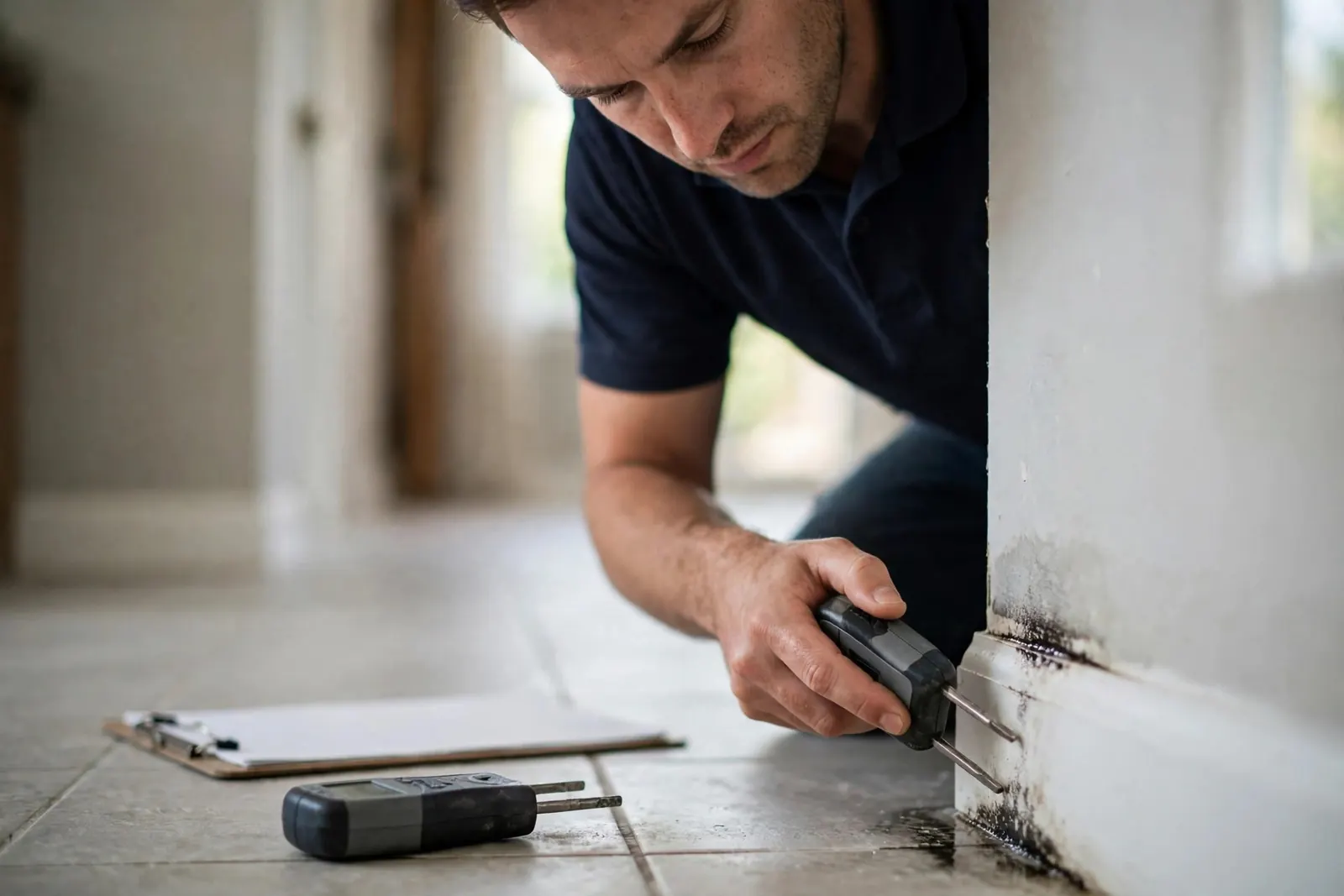
Mold Remediation
Containment first, then removal and HEPA filtration, with the moisture source fixed so the growth has nothing to come back to.
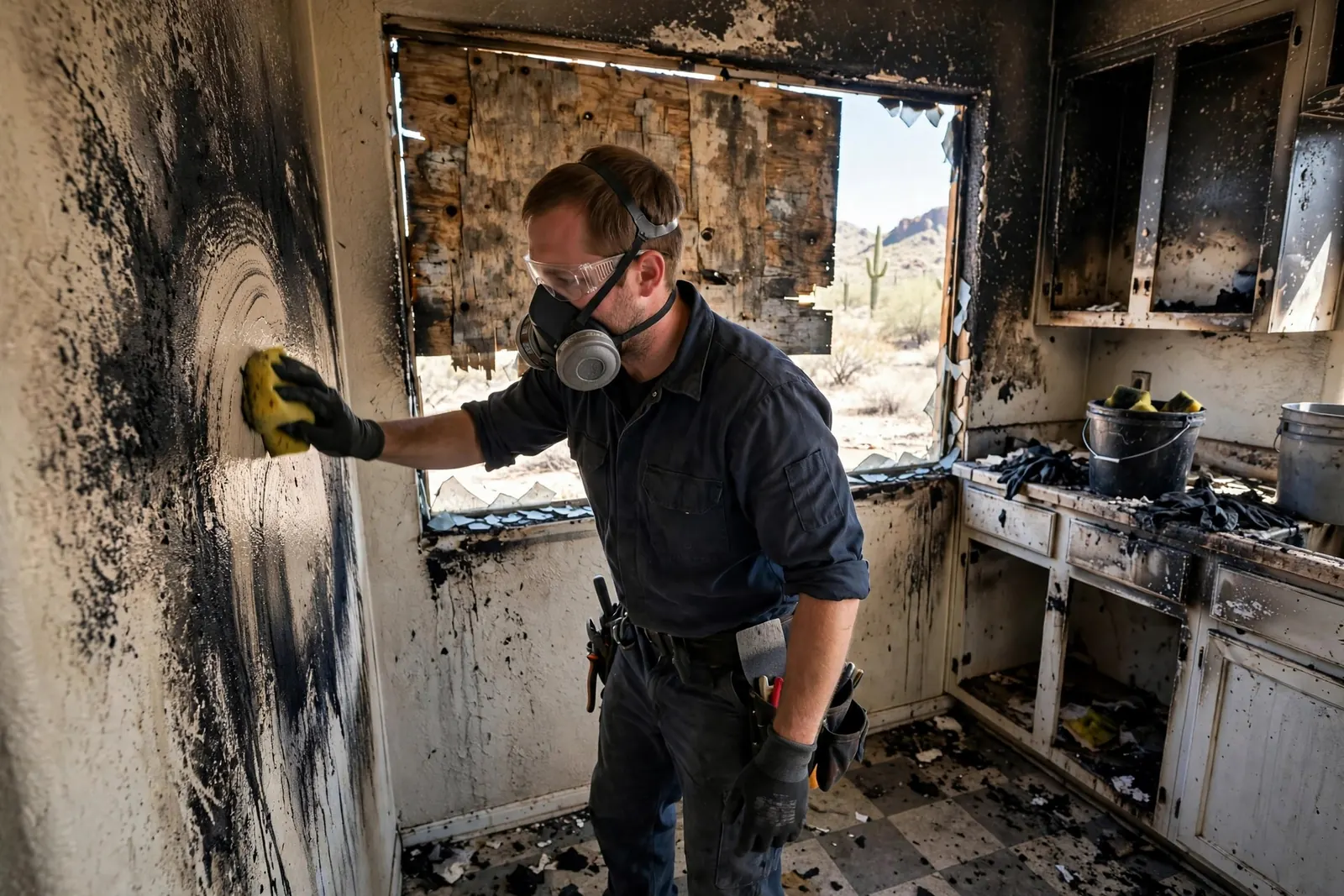
Fire Damage Restoration
Board-up, soot and smoke cleanup, odor work, and drying out the water the fire department left behind.
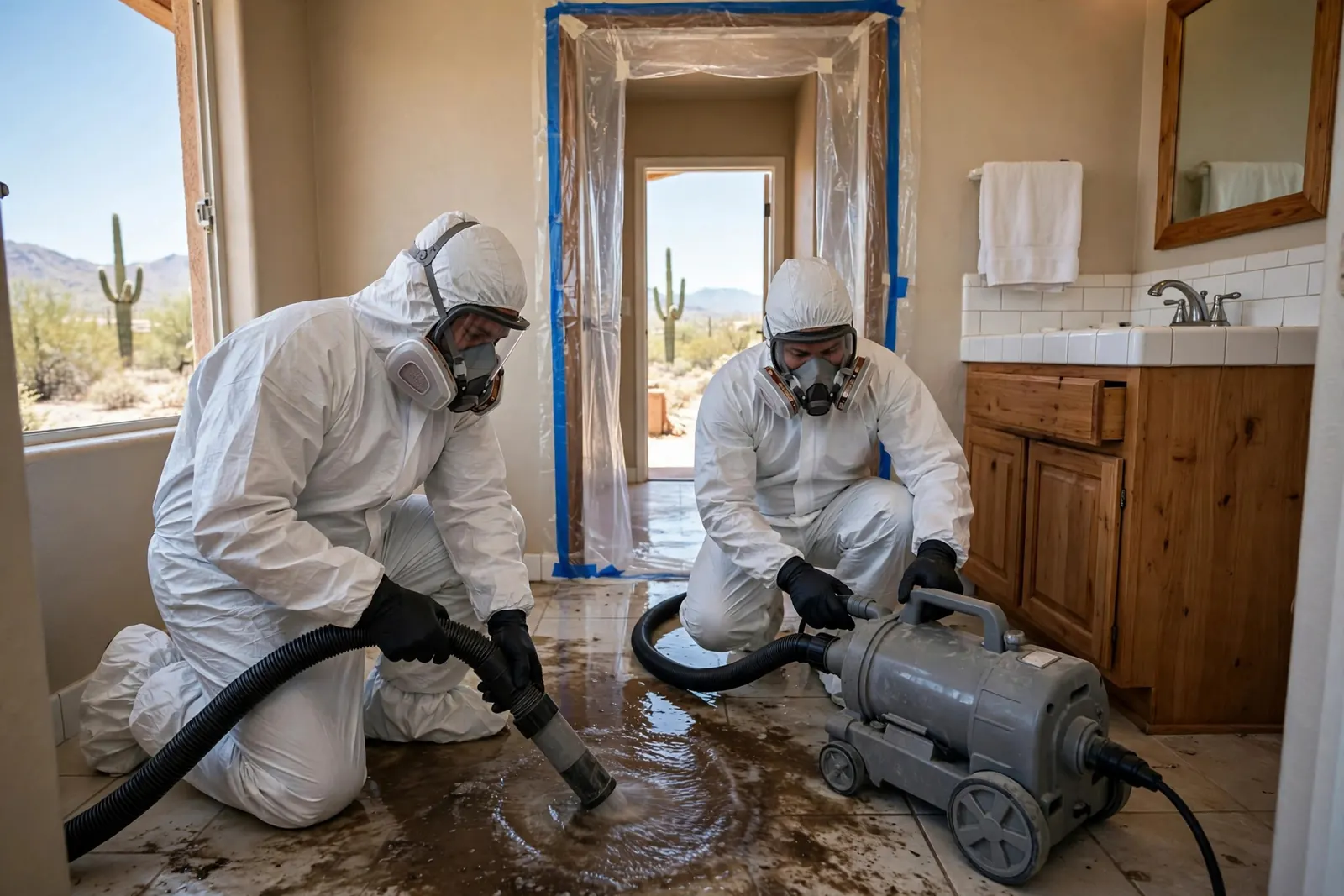
Sewage Cleanup
Category 3 water handled as a health protocol: containment, removal of what cannot be sanitized, disinfection, verified drying.
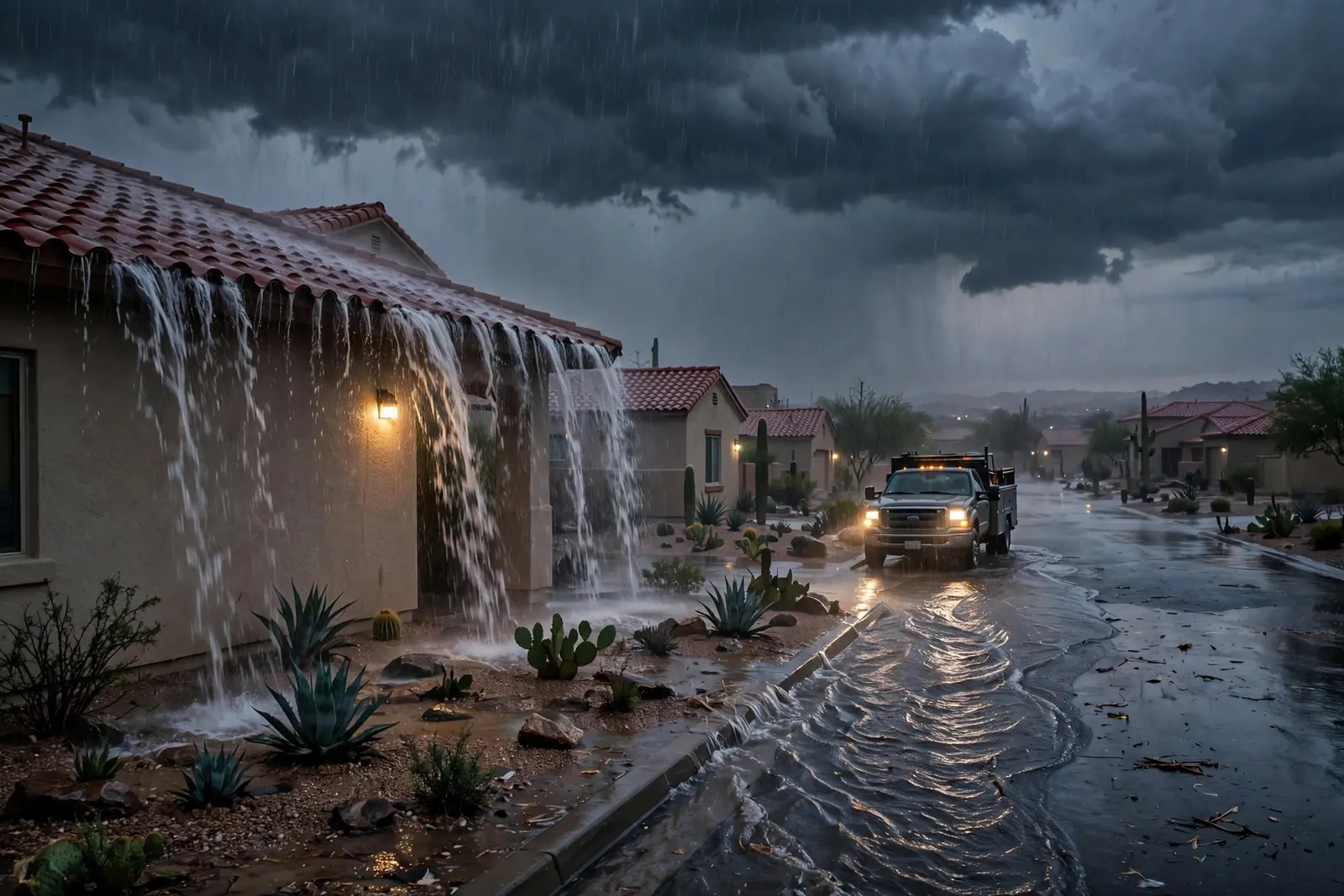
Storm Damage Restoration
Monsoon roof leaks, wind-driven rain and flash flooding, plus the pre-season prep list that prevents most of it.
The First Two Hours: our water damage triage tool
Three questions. One verdict. The steps that matter first.
Most people who find water in their home are really asking one question: can I dry this myself, or do I need a crew? This triage walks through the same three things we weigh on a real assessment.
Question 1: Where is the water coming from? A supply line, appliance or water heater. A roof leak or monsoon rain. A sewage backup. Or honestly not sure. Question 2: What is wet? Hard floors only. Carpet and pad. Walls, baseboards or cabinets. Several rooms at once. Question 3: When did it start? Within the last two hours. Sometime today. More than a day ago, or it has clearly been going a while.
DRY IT YOURSELF: small, clean and fresh Clean water, caught within hours, on tile or sealed hard floors, with no wall contact: you can handle this. Shut off the source, move what can be moved, wet-vacuum or mop up every bit of standing water, and run fans and household dehumidification until surfaces read dry to the touch for a full day. Watch baseboards for swelling for a week. If anything smells musty later, that is mold starting, and it stops being a DIY job.
CALL TODAY: the mold clock is running Carpet and pad, water against drywall, or anything that started more than a few hours ago: pad and wall cavities hold water long after the surface looks dry, and mold colonizes wet drywall in 24 to 48 hours. This needs extraction equipment, moisture metering and commercial drying. It is not a panic, but it is today, not this weekend.
CALL NOW: stop the water, then call An active leak you cannot shut off, water in multiple rooms, water in walls or cabinets, or any sewage at all: shut off the home's main water valve first (for most Queen Creek homes it is at the front of the property near the sidewalk or in the garage), keep people and pets out of sewage-affected rooms entirely, and call (480) 555-0100. Sewage is never a DIY job, at any size.
The First Two Hours
Three questions, one honest answer. Answer what you know and the tool tells you whether this is a mop-and-fan job, a same-day call, or a call-right-now job.
Water damage repair in Queen Creek
Restoration ends with repair, and the repair list is usually shorter than people fear.
Once a structure is dry, what is left is repair: baseboards that swelled, drywall sections that had to be opened to dry the cavity, flooring that cupped or delaminated, cabinet toe-kicks that wicked water. Our water damage restoration cost guide explains how repair scope is built from the drying record, so the repair list follows the moisture map rather than a guess.
The honest principle is that repair follows evidence. Drywall that metered dry does not get replaced because replacement is billable. Sections that were opened get patched and painted. Flooring that dried flat stays. Where finishes cannot be saved, we say so early, while the insurance documentation is still fresh, not after the fact.
When it is an emergency
The first hour decides how big this gets.
Emergency water damage in a Queen Creek home is almost always one of four events: a supply line letting go, a water heater tank failing, an AC condensate line backing up into a ceiling, or monsoon water coming through a roof or under a door. The first hour matters more than the first day. Shut off the water at the main valve if a pipe or appliance is the source. Kill power to affected rooms if water is near outlets. Move documents, electronics and wood furniture out of the wet area. Then call us and describe what you are seeing, and we will tell you plainly where your job falls and what happens next.
What we will not do is promise a clock we have not earned. Anyone can print a response time. What we can promise is a straight answer on the phone about timing, and that extraction and drying, once started, run on a documented schedule with moisture readings you can see.
Why East Valley homes get wet
The desert floods indoors more than outdoors.
Monsoon season, July through September, is the obvious risk: microbursts drop inches of rain in an hour, water sheets off the San Tan Mountains, and flat or low-slope roof sections pond until they find a seam. Queen Creek washes run hard and fast, and homes along them see water under doors and through garage seals.
The quieter risks run all year. This housing stock went up fast, from the 1990s through the 2020s, and much of it shares the same plumbing details: slab construction with lines running underneath, where a pinhole leak can run for weeks before it telegraphs through flooring; water heaters working against some of the hardest water in the Valley, corroding tanks and fittings from the inside; AC condensate lines that clog with algae in summer and drip into ceilings and closets; and hard-water corrosion at angle stops and supply connections that finally lets go at 2 a.m. Add reverse-osmosis lines and water softener loops in the garage, and most of the water damage we see in Queen Creek starts within ten feet of a pressurized line, not at the roof.
How a job runs
Assessment first, and the moisture readings are yours.
Every job starts with an assessment at the property: where the water came from, what it touched, and how far it traveled inside walls and under floors. We meter moisture, we do not guess at it, and we photograph everything, including the rooms that are fine. You get the scope in writing: extraction, drying equipment, any demolition needed to dry a cavity, and the repair list, each tied to what the readings showed.
Drying runs on a schedule, usually several days, with return visits to re-meter and remove equipment as readings come down. When the structure meters dry, you get the record: photos, readings and scope, the same file your insurer will ask for if a claim is involved. Our insurance claims guide explains how Arizona water claims work and why that record matters.
You call, a person answers
No call center, no phone tree. You describe what happened, we tell you what to do in the next ten minutes: where the shutoff is, what to move, what is safe to touch.
Onsite assessment and moisture mapping
We inspect, photograph and meter the damage, then explain the scope and a written estimate before work starts. You approve the plan before a single fan runs.
Extract and set drying
Standing water out, unsalvageable material out where needed, drying equipment placed by the readings, not by habit.
Daily readings
We return, re-meter and adjust. Drying is verified day by day, and your readings log grows into the documentation your insurer wants.
Dry standard, documented
Equipment comes out when the numbers reach the dry standard, not before. You keep the full file: photos, readings, scope and invoice.
The areas we cover
Home ground Queen Creek, working depth across the East Valley.
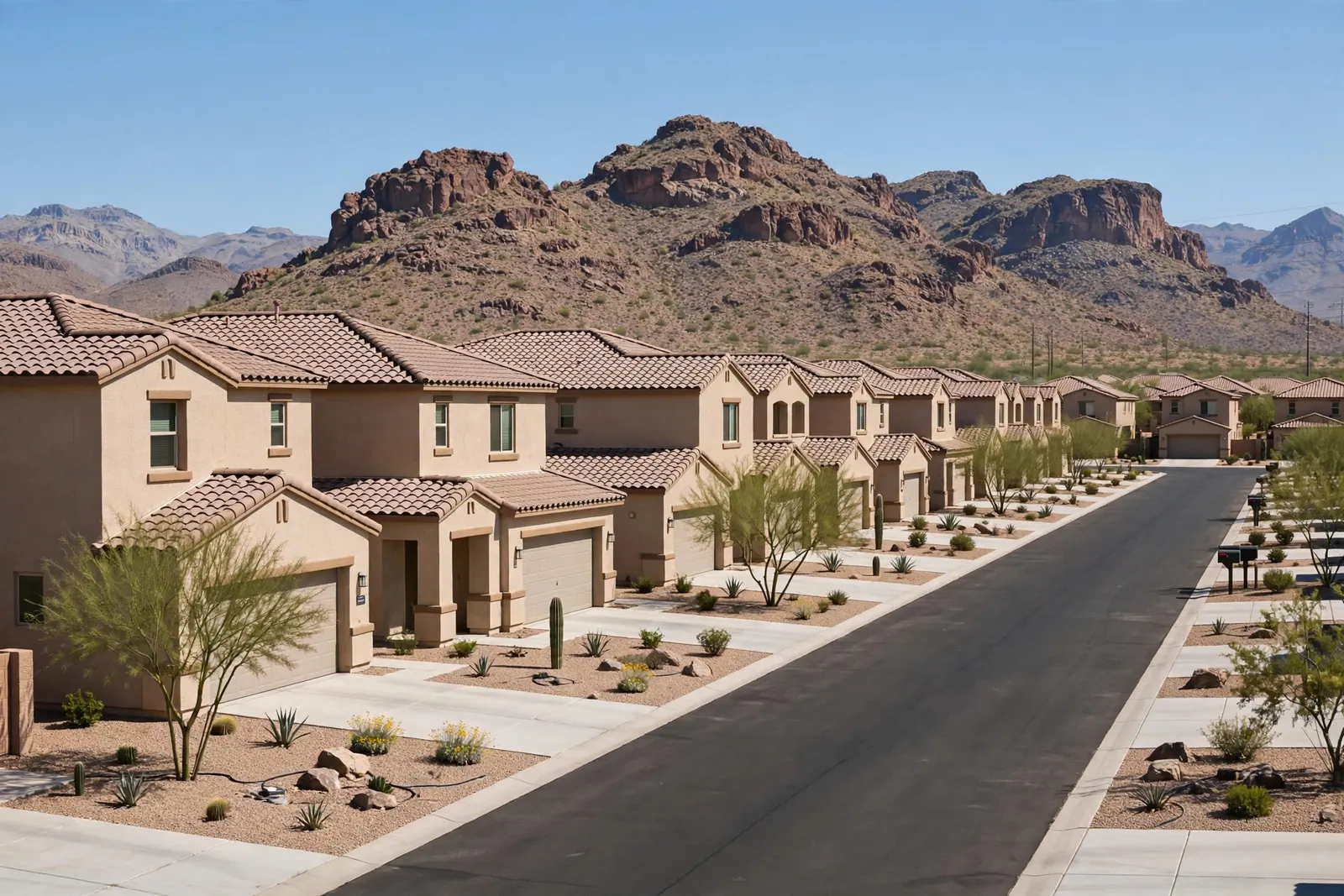
Queen Creek is home: Cortina and Hastings Farms, Ironwood Crossing and Sossaman Estates, and the acreage properties in the Ranchettes where homes sit on larger lots with their own well and septic details. Our working footprint follows the measured need across the East Valley. In Gilbert, the master-planned stock along the Higley and Greenfield corridors is reaching the age where slab leaks and water heaters dominate the call list. In Chandler, Ocotillo and Fulton Ranch irrigation and lake systems mix with older Sun Lakes plumbing. Mesa is the biggest and most varied market in the footprint, from Eastmark new builds to postwar central Mesa stock. And San Tan Valley gets the same crew with honest scheduling, one community south. Each area has its own page on this site with its own housing stock and failure patterns, because a service area page should tell you something true about where you live.
Queen CreekHome ground: Cortina, Hastings Farms, Ironwood Crossing, Sossaman Estates and the Ranchettes acreage.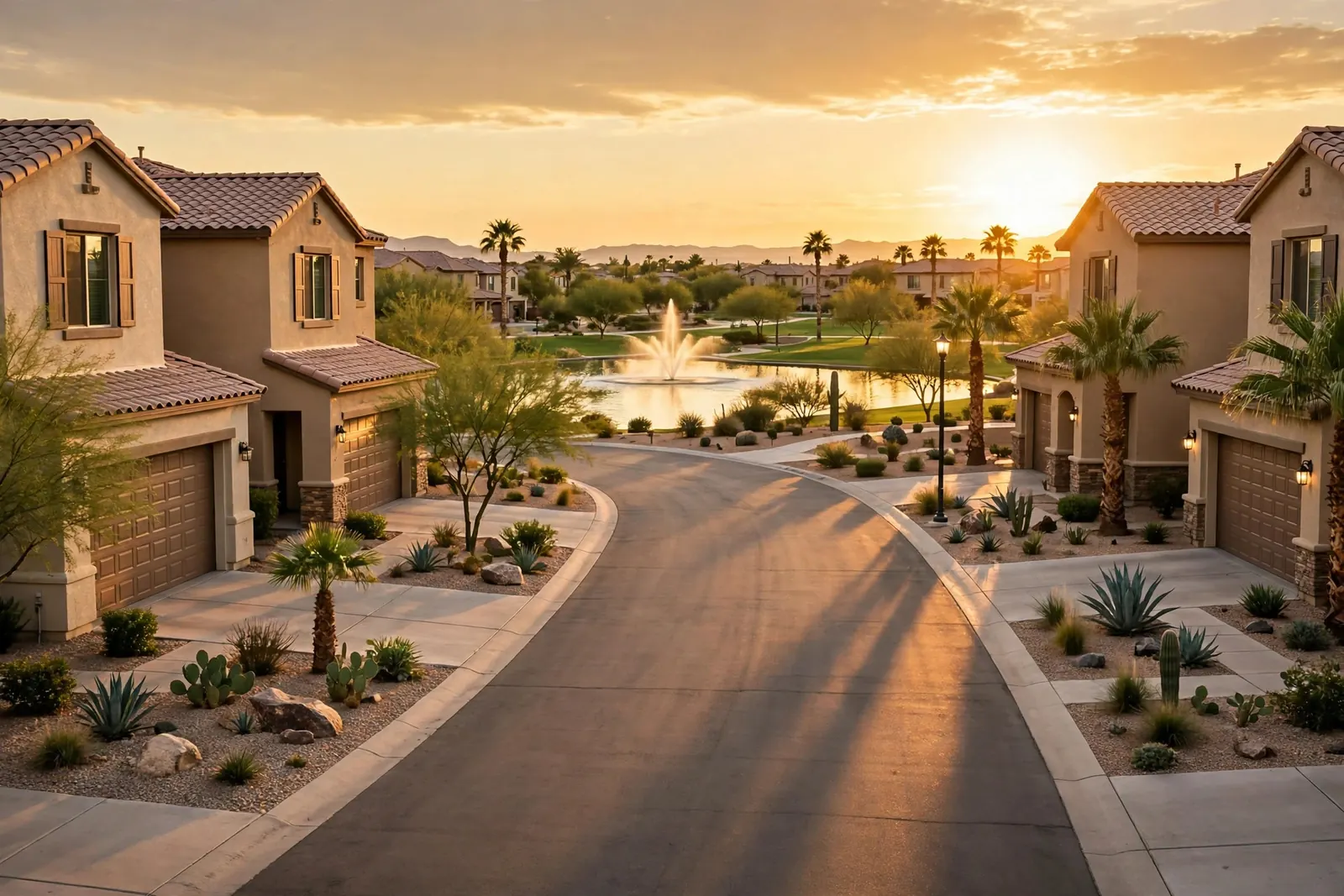 GilbertAgritopia, Morrison Ranch and Val Vista Lakes: master-planned stock arriving at slab-leak age together.
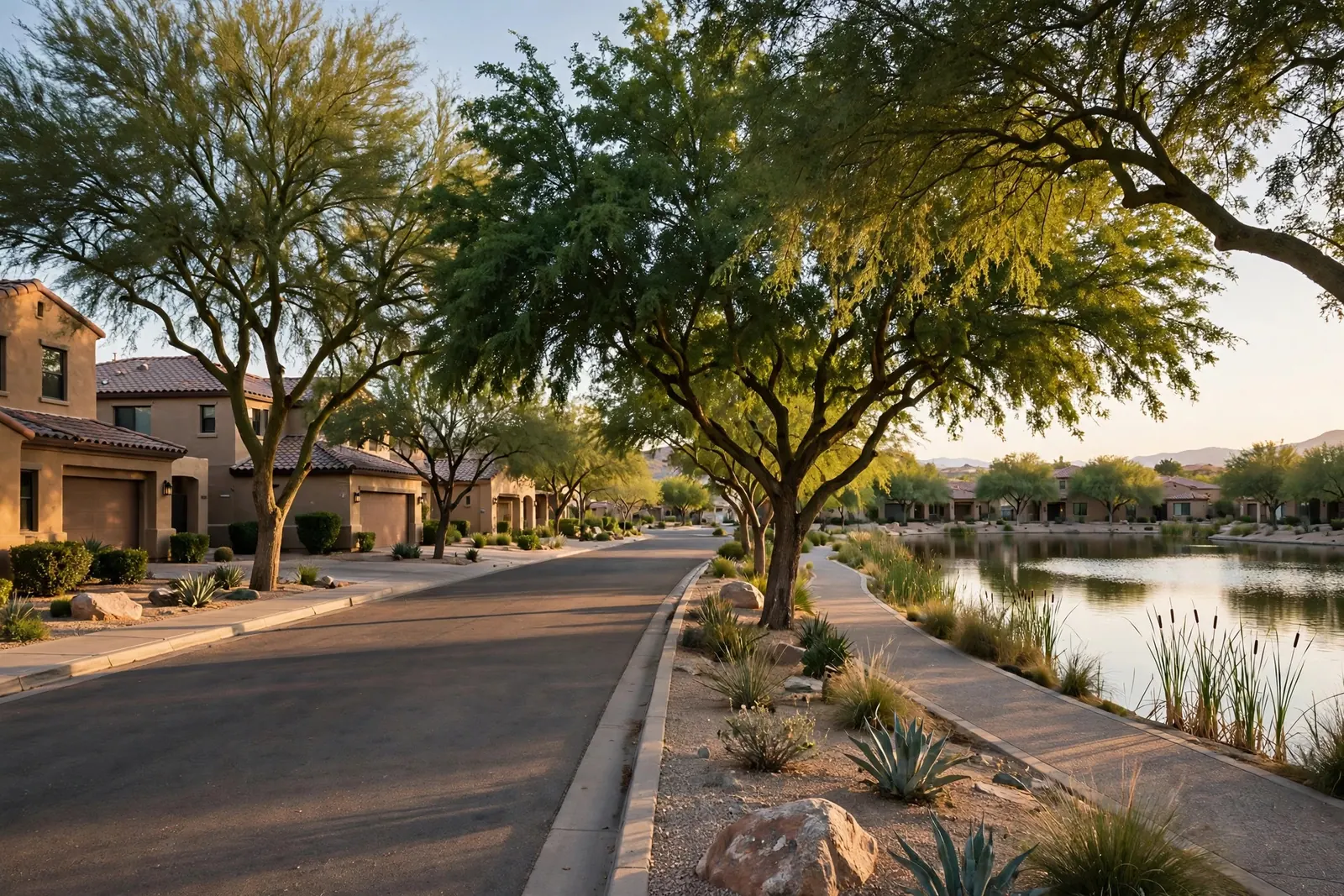 ChandlerTwo cities in one name: Ocotillo and Fulton Ranch lakes in the south, aging Sun Lakes stock in the north.
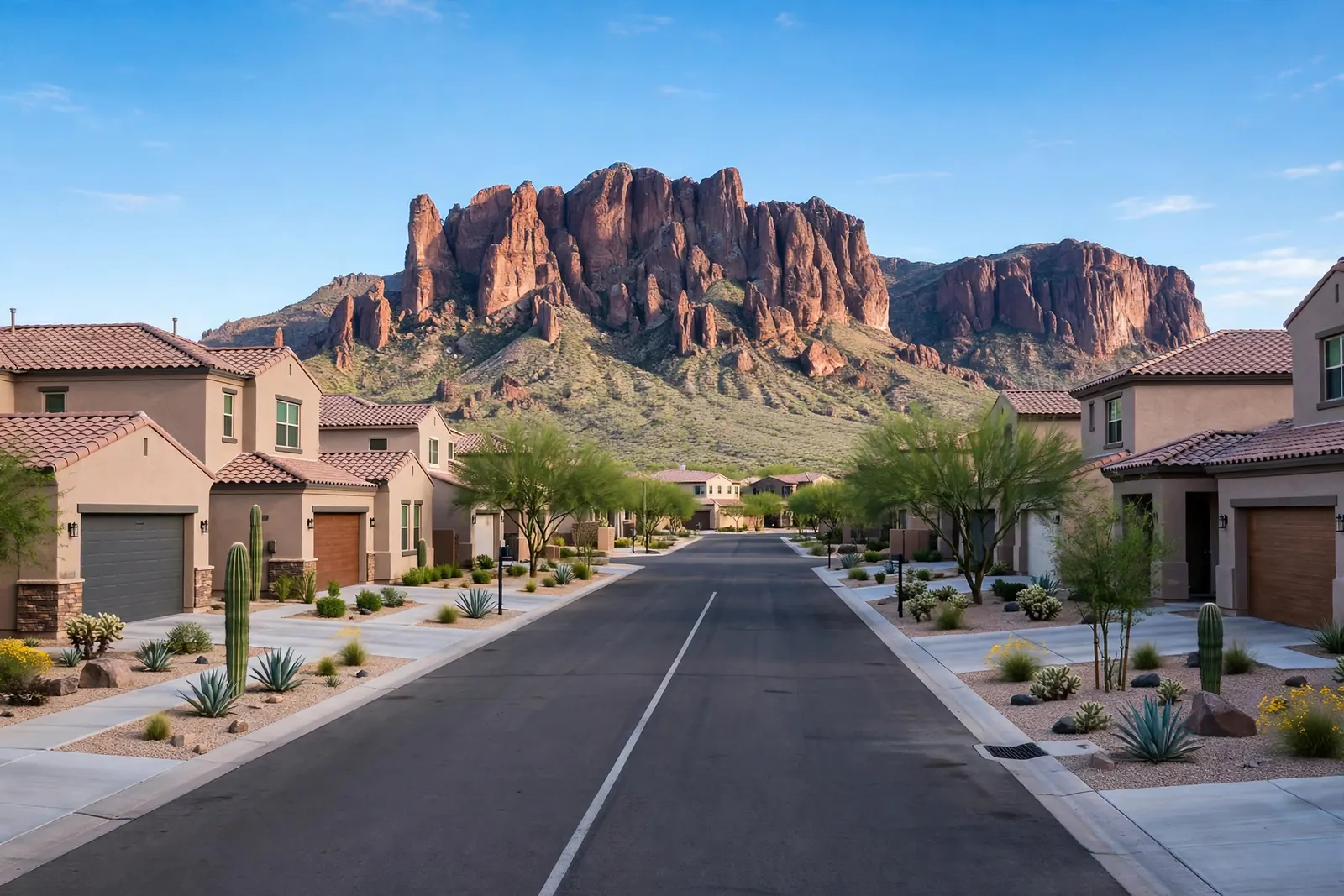 MesaThe biggest market in the footprint: Eastmark new builds to postwar central Mesa, seventy years of housing.
 San Tan ValleyPecan Creek, Johnson Ranch and Skyline Ranch, served honestly from one community north.
What it costs
Ranges here, real numbers after we meter your walls.
Nobody honest quotes water damage restoration from a phone description. What we can do is publish the planning ranges for the East Valley: what extraction and drying commonly run by the size and category of the damage, what mold remediation and sewage cleanup add, and what moves a job from the bottom of a range to the top. The cost guide lays it out, including the line every homeowner should hold onto: the range becomes a real number only after an assessment, and that number should arrive in writing before work starts.
Choosing a restoration company in the East Valley
Judge every company by the same list, including us.
Water damage brings out two kinds of marketing: national franchises with call centers, and storm-season opportunists who appear after the first big monsoon and vanish by October. Since choosing wrong costs more than choosing carefully, here is the checklist we would hand our own family.
Ask how they decide what is dry: a moisture meter and a written record, or a hand on the wall. Ask what comes out and what stays: a company that removes baseboards and drywall on every job is billing demolition, and a company that never opens a wet cavity is leaving mold a home. Ask who does the work: their own technicians, or day labor from a dispatch list. Ask what the documentation looks like at the end, because your insurer, and someday a buyer's inspector, will ask for it. And ask whether they will work a job that turns out to be small. The answer tells you whether you are hiring a restoration company or a sales funnel.
We built San Tan Dry Co. to pass that list in public: metered assessments, written scopes, photographed drying records, honest ranges, and a phone answered by the people who will stand in your wet kitchen. Hold us to it, and hold everyone else to it too.
Frequently Asked Questions
How fast does mold start after water damage in an Arizona home?
Mold spores are already in every home; what they need is moisture. On wet drywall, carpet pad and other porous materials, colonization commonly begins within 24 to 48 hours. That is why drying speed matters more than drying effort: a structure metered dry inside that window usually avoids a mold remediation bill entirely.
Do I need to leave my home during water damage restoration?
Usually not. For clean-water damage, most families stay while drying equipment runs, though the fans and dehumidifiers are loud and the affected rooms are off limits. Sewage damage and heavy mold are different: those areas get contained and kept empty until sanitation and clearance, for health reasons we will explain on site.
Will insurance cover water damage in my Queen Creek home?
It depends on the source. Sudden events, a burst line, a failed water heater, a storm-driven roof leak, are commonly covered; slow leaks that ran for months are commonly not, because insurers treat them as maintenance. Our insurance claims guide walks through how Arizona claims work, including the sudden-versus-gradual line that decides most of them. We document either way and never promise an outcome.
What should I do while I wait for the crew?
Stop the source if you safely can, using the main shutoff for plumbing failures. Move valuables and wood furniture off wet floors, keep people and pets out of any sewage-affected area, and photograph everything before you move it if an insurance claim is likely. Do not run household fans on sewage or on damage that is more than a day old, since moving air across growth spreads spores.
How long does drying take?
Most residential drying runs three to five days, checked daily with moisture meters. Tile over slab dries faster; carpet pad, insulated wall cavities and cabinet bases take longer. We remove equipment based on readings, not on a calendar, and you get the readings in your job record.
Do you serve Gilbert, Chandler and Mesa, or only Queen Creek?
All of them, with the same crew and the same documented process. Queen Creek is home ground; Gilbert, Chandler, Mesa and San Tan Valley each have their own page on this site covering their housing stock and the water problems we actually see there.